
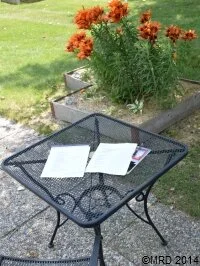
I love to write outside in deep summer. There’s a lush, meditative quality to the landscape, and I often become so wholly immersed in the writing experience that I’m nearly unaware of time’s passage. Other times, the writing goes slower because of minutes watching fledgling swallows scooping up mosquitoes from the air, or half-hours of wandering the paths through woods and field instead of sitting at my table—but I am the richer for that time—I store up riches of texture, color, sound and smell that I bring with me into the long, solid days of winter writing.
What seduces me from writing? The fragrant pool of native rose milkweed and blue vervain, buzzing and fluttering with insect life, which fills the bottom of our ephemeral kettlepond; it more than doubled in size this year, to well over an eighth of an acre. These are plants that return, and spread: they have become good old friends, along with the thimble flowers and the sand coreopsis, bergamot, blanketflower and butterflyweed, and the enormous, expanding splashes of gold-orange that are thousands of Black-eyed Susans.
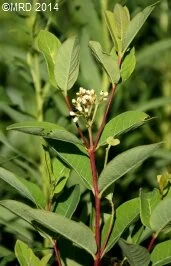
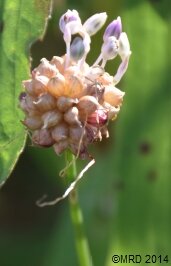
Wild garlic, with its gorgeous little top-setting bulbils, is growing on the prairie for the first time, as is Prairie Dogbane, with its coral red stem and bell-shaped flowers. (Prairie Dogbane is a milkweed relative also called Indian Hemp, as some First Nations tribes made twine from the fibers in its stem).
And during a long, dallying walk along the prairie’s eastern edge, among the hundred or so young native trees and shrubs we’ve placed there, I came upon an elderberry bush we planted four years ago and had nearly forgotten. It was blooming for the first time.