
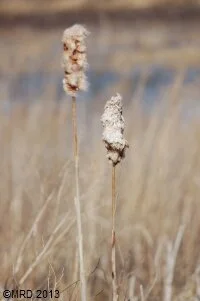
Four years ago, our native prairie experiment began in earnest when, after years of planning and site prep, we planted our five acres of ephemeral kettlepond and the surrounding slopes with seeds of native grasses and wildflowers.
Since then, we've controlled non-native plants (and one invasive native, the dreaded Giant Ragweed) through weeding, mowing, deadheading, and spraying with strong vinegar. Some non-natives, though, are best controlled by burning. And many native plants—cattails, sedges and grasses in particular—are invigorated by occasional burns, having evolved to thrive on fire because for several thousand years, the First Nations peoples purposefully burned the land.
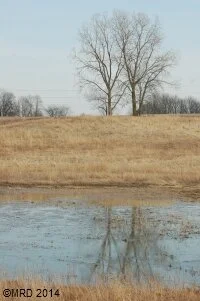
Burns are usually done three years after the initial planting; we'd waited four. Still, something in me ached at the idea. In early spring, the landscape seems fragile, the colors muted (softening snow and bleached grasses), the reflections of things more vivid than the things themselves, the pond's surface a darker blue than the watery sky it mirrors.
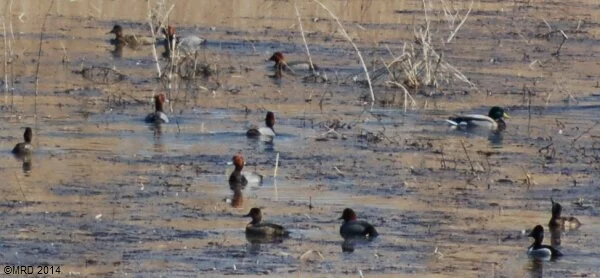
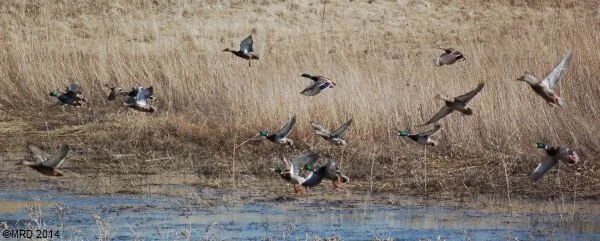
Many of the birds are transitory, on their way to prairies and lakes further north, like the redheads that settled briefly on our pond. Sifts of snow lie in shaded hollows. Winter and the underworld still touch the landscape and the imagination.
Knowing what was to come, I felt more than my usual tenderness toward the wakening earth. A burn is beautiful and beneficial in its own ways, but it is, nevertheless, a destructive act.
Next week: Burning the Kettlepond Prairie